If you’re new to the gym and looking for a personal trainer in Kokomo, the hard part is usually not finding names. It’s worrying you’ll pick the wrong person. This article gives you a simple checklist you can carry into a conversation with any trainer, so you can compare them in person and decide without overthinking it.
Start With What You Want Help With
When someone tells me they aren’t sure what their goal is, I start by asking what made them reach out in the first place. Do they want more energy? Do they want to feel stronger, keep up with their kids, or get back into a routine? You don’t have to walk in knowing how much weight you want to lose or what you want to lift. Part of our job as coaches is to help you figure that out and give you a realistic place to start.
If you’re worried about choosing the wrong trainer, start with a conversation and a trial session if they offer one. Pay attention to whether they listen, ask questions, and help you feel comfortable. Ask how they would approach your goals and how they’ll check your progress. You’re allowed to ask questions and take time to decide. You don’t have to have everything figured out before taking that first step.
What to Look for in a Personal Trainer in Kokomo
Three things are worth keeping in mind: communication, coaching style, and fit.
Communication is being able to tell your trainer how you’re feeling, what you’re struggling with, and when something doesn’t make sense, and knowing they’ll listen. Coaching style is how they teach and encourage you. Some people enjoy a coach who brings a lot of energy, while others prefer a calmer approach with more explanation. Fit is whether that approach works for you. Do you feel comfortable asking questions? Do you understand what you’re doing? Do you feel supported and want to come back?
One thing I’d encourage people to look past is appearance. Being in great shape doesn’t automatically mean someone knows how to coach another person. Credentials matter, and I’ve invested a lot in my own education, but you should also pay attention to how a trainer uses that knowledge to help YOU. Can they explain a movement clearly, adjust it to your ability, and help you make progress? You want someone who takes the time to understand where you’re starting and helps you move forward from there.
Check How They Communicate
With someone brand new, I’d keep the explanation simple, show them the movement, and give them a chance to try it. If something needs correcting, I’d focus on one thing at a time. For a squat, that might sound like, “Let’s try that again, but this time push your knees out.” Then I’d watch the next rep to see whether that cue helped. You don’t need five corrections at once. You need something you can understand and put into practice.
In the first 10 minutes, notice whether the trainer uses something you’ve told them. If you mention being nervous, having discomfort, or never having exercised before, does that change how they approach the session? Asking questions is a good start. Adjusting the coaching based on your answers shows they’re listening.
Pay Attention to Coaching Style
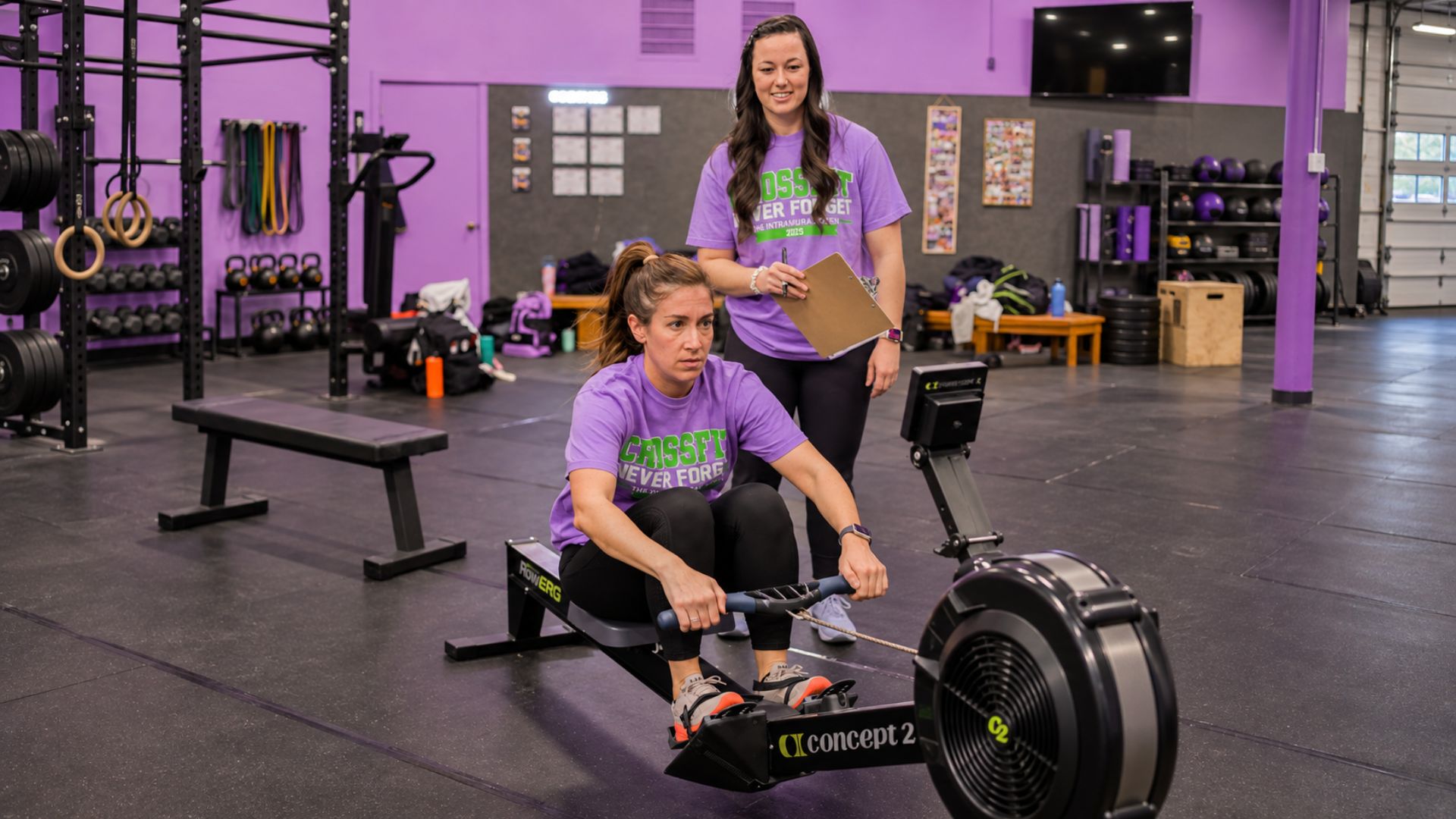
Our personal training sessions at CFNF usually last about an hour and are primarily led by Coach Kensley and me. What that hour looks like depends on what you’re looking for and where you’re starting. We want to understand what you need so we can make that time valuable for you.
I’ve coached athletes who thrive with a calmer approach and really value building a relationship with their coach. They want to feel comfortable, talk things through, and build confidence as they go. I’ve also coached athletes who want to come in, focus on their fitness and health, and get to work. Both approaches can work. Part of our job is getting to know the person in front of us and figuring out how to coach them best.
Does the Trainer Fit Your Life and Comfort Level?
I think a lot of those nerves come from not knowing what to expect. We start by getting to know you, showing you around, and explaining what we’re going to do. From there, we take things one step at a time. You don’t have to know the movements or feel confident on day one. That’s what we’re here to help you with.
If you’re worried about being judged for your fitness level, you don’t need to get in shape before coming to us. We want to understand where you’re starting so we can help you move forward. Ask questions, tell us when something feels uncomfortable, and let us know what you need. You deserve a coach who makes you feel welcome and takes your goals seriously, wherever you’re starting.
Questions Worth Asking Before You Commit
Here are six questions I’d encourage you to ask when meeting a trainer:
- “Have you worked with someone starting where I am?” A good answer explains how they’ve helped people with similar experience or goals, while recognizing that your needs might be different.
- “What would our first few sessions look like?” They should explain how they’ll get to know you, find your starting point, and teach you the basics.
- “What happens if I can’t do a movement?” Look for someone who can explain how they’ll adjust it to your ability and help you progress.
- “How will we know I’m making progress?” They should talk about tracking things that matter to you, whether that’s strength, consistency, confidence, or how you feel outside the gym.
- “Can I tell you if something isn’t working for me?” You want a coach who welcomes feedback and is willing to adjust how they teach or encourage you.
- “How do pricing, scheduling, and cancellations work?” A good answer is clear and straightforward. You should understand what you’re paying for and what you’re agreeing to before getting started.
Signs a Trainer May Not Be the Right Match
A few signs I’d encourage a beginner to pay attention to:
- They talk more than they listen. You should have a chance to explain your goals, concerns, and experience.
- They make you feel bad about where you’re starting. You should feel comfortable asking for help.
- They rush through explanations. A coach should take time to show you a movement and make sure you understand it.
- They ignore you when you say something hurts or feels uncomfortable. That should lead to questions and an adjustment.
- They give you a workout without considering your ability. They should be able to explain why it makes sense for you.
- They pressure you to sign up or promise dramatic results right away. You deserve clear expectations and time to decide.
Take a Low-Pressure First Step
A simple first step at CFNF is a free introductory phone call or a trial session, whichever you feel more comfortable starting with. On the call, we’ll talk about what you’re looking for, answer your questions, and help you figure out whether personal training makes sense for you. If you’d rather come in and try it, a trial session gives you a chance to meet Coach Kensley or me, experience our coaching, and see how you feel in the gym. Personal training sessions usually last about an hour.
You don’t need to have everything figured out before reaching out. That first conversation is where we can start.


